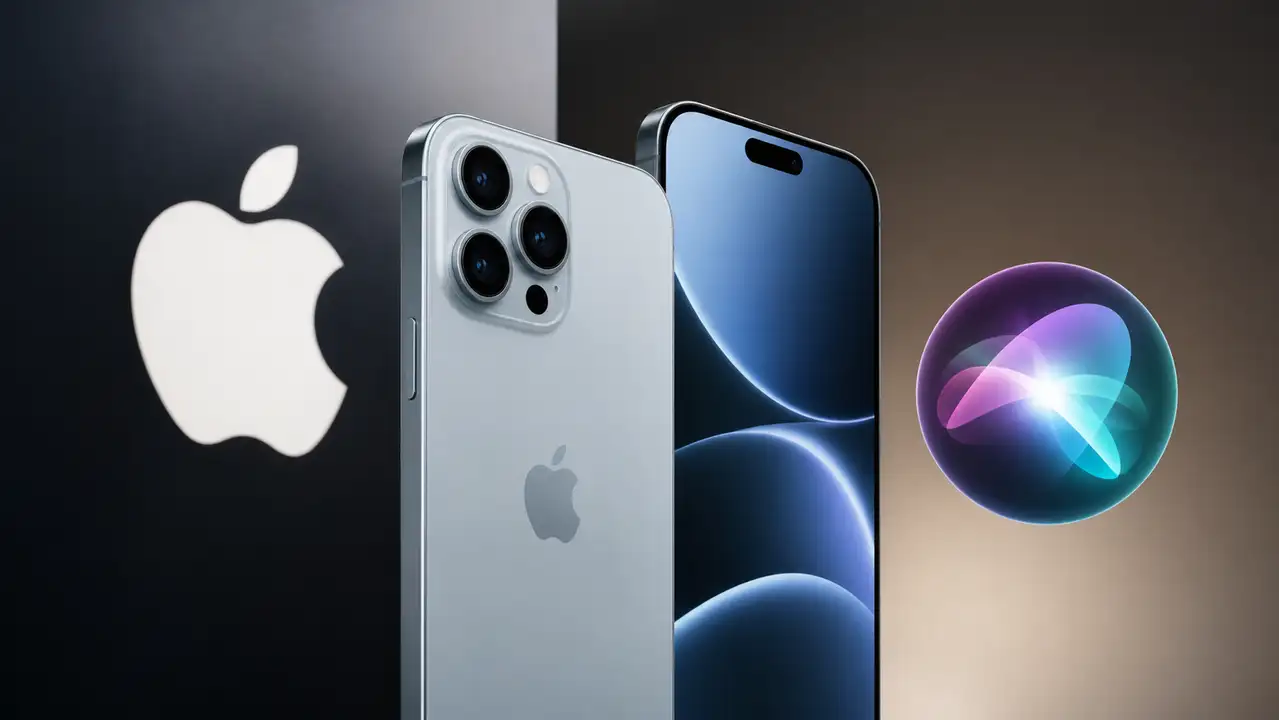
Apple to Pay $250 Million to Settle iPhone 16 Pro AI Marketing Claims
Apple has reached a preliminary agreement to pay $250 million to resolve a class-action lawsuit involving its iPhone 16 lineup.
The settlement addresses allegations that the tech giant misled consumers regarding the immediate availability of “Apple Intelligence” features.
Eligible iPhone users in the United States may soon receive compensation as part of this major legal resolution.
The agreement was reached after claims that the company utilized false advertising to drive early sales of its latest flagship devices.
Understanding the Apple Intelligence Lawsuit
The lawsuit centered on how Apple marketed the iPhone 16, iPhone 16 Plus, iPhone 16 Pro, and iPhone 16 Pro Max models.
Plaintiffs argued that the company’s marketing materials suggested that generative AI tools would be functional at the time of purchase.
Key features cited in the legal challenge include:
- The revamped Siri assistant with on-screen awareness.
- Advanced image generation and “Clean Up” photo editing tools.
- System-wide writing tools for proofreading and summarization.
- Integration of third-party AI models like ChatGPT.
While these features were a cornerstone of the September 2024 launch event, many were not released until months later via software updates.
Consumers alleged they paid a premium for hardware based on software capabilities that did not yet exist.
Breakdown of the $250 Million Settlement Fund
The total settlement amount of $250 million is one of the largest consumer-focused payouts in the history of global tech industry regulations.
The fund will be used to provide cash payments to millions of eligible class members across the country.
Specific financial details of the settlement include:
- Individual Payouts: Estimated to range between $30 and $70 per device.
- Legal Fees: A portion of the fund will cover attorney fees and administrative costs.
- Service Awards: The lead plaintiffs who brought the case may receive additional compensation.
The final payment amount for each individual will be determined by the total number of valid claims filed during the open period.
Who is Eligible for the iPhone Settlement?
Eligibility is restricted to users who purchased specific iPhone models during a defined period before the AI features were fully released.
According to court documents, the primary criteria for eligibility include:
- Purchasing an iPhone 16 series device in the United States.
- Buying the device between September 20, 2024, and the release of the iOS update containing the core AI features.
- Submitting a valid claim form through the official settlement website.
Owners of the iPhone 15 Pro and Pro Max are also included in the settlement, as these devices were also marketed as compatible with Apple Intelligence.
Notifications are expected to be sent via email to the address associated with the user’s Apple ID in the coming weeks.
Apple’s Response to the False Advertising Claims
Despite agreeing to the $250 million payout, Apple has denied all allegations of wrongdoing or deceptive marketing.
The company maintains that it clearly communicated that Apple Intelligence would be rolled out in phases through subsequent next-generation smartphone software updates.
Apple stated that settling the case was a strategic move to avoid the expense and distraction of a lengthy jury trial.
The settlement allows the company to move forward without a formal court ruling on whether its marketing was legally deceptive.
Comparison of Past Apple Class-Action Settlements
This $250 million payout follows a pattern of high-value settlements for the Cupertino-based company over the last decade.
The following table compares the current AI settlement with previous major legal resolutions:
| Settlement Name | Year | Amount | Primary Issue |
|---|---|---|---|
| AI Marketing Settlement | 2026 | $250 Million | Missing AI Features |
| Batterygate | 2020 | $500 Million | Performance Throttling |
| Butterfly Keyboard | 2022 | $50 Million | Hardware Failure |
| Siri Privacy Suit | 2024 | $100 Million | Unauthorized Recording |
Technical Delays and Consumer Frustration
The root cause of the litigation was the significant gap between the announcement of the A18 and A18 Pro chips and the software deployment.
While the hardware featured a powerful 16-core Neural Engine, the “Apple Intelligence” software remained in beta for several months.
This delay caused frustration among early adopters who expected a transformative AI experience on launch day.
Industry analysts note that Apple faced unprecedented pressure to compete with Google and Samsung in the generative AI space.
This pressure reportedly led to an aggressive marketing strategy that outpaced the actual software development cycle.
How to File a Claim for the Payout
Once the court grants final approval, a dedicated settlement website will go live to process claims from the public.
Users will likely need their device’s serial number or proof of purchase to complete the application process.
Steps for potential claimants to take now:
- Verify the purchase date of your iPhone 16 or iPhone 15 Pro.
- Keep a record of your device’s serial number found in the Settings menu.
- Monitor your primary email for official correspondence from the settlement administrator.
The deadline for filing a claim is typically several months after the final approval hearing.
Legal Precedent for Future Tech Marketing
Legal experts suggest this settlement will serve as a warning to other technology companies developing AI-integrated products.
Regulators are increasingly scrutinizing “vaporware” claims where software features are promised but delivered long after the hardware sale.
The $250 million fine underscores the potential financial risks of prioritizing marketing hype over product readiness.
Future Apple product launches are expected to feature more explicit disclaimers regarding the availability of software features.
The court is expected to hold a final fairness hearing later this year to officially close the case and begin the distribution of funds.

Charles D. Whitfield
Charles D. Whitfield covers the full spectrum of American life—from breaking news and sports to entertainment, lifestyle, business, and tech. A sharp observer with a direct voice, he specializes in capturing trending stories as they happen, bringing clarity to complex issues and energy to every topic he touches.