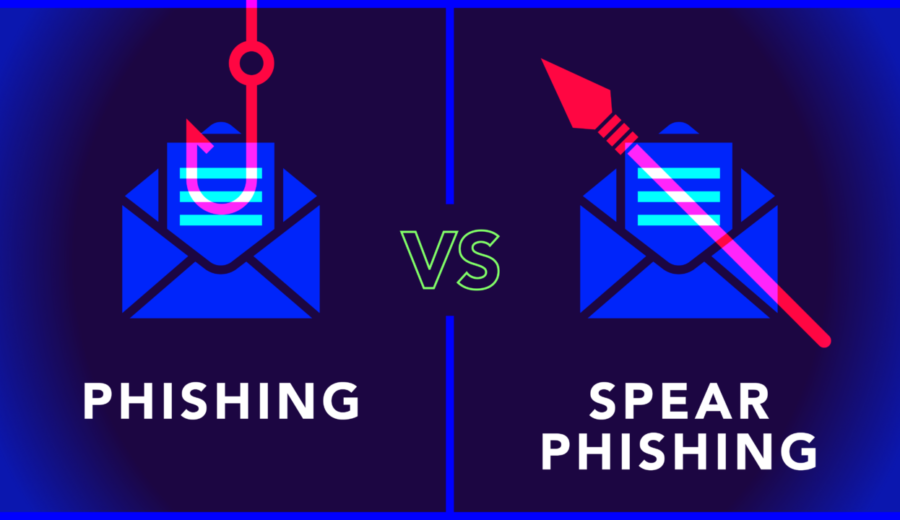
A sophisticated phishing scam is currently circulating that leverages fake party invitations to steal user login credentials. These malicious emails are specifically designed to mimic popular event-planning services like Paperless Post and Evite.
Cybersecurity analysts report that the campaign exploits the social nature of digital invitations to lower the defenses of unsuspecting recipients. By using familiar branding, attackers successfully trick individuals into interacting with dangerous content.
How the Fake Invitation Scam Operates
The primary mechanism of this attack is the use of deceptive email templates that appear identical to legitimate social notifications. These emails often arrive with subject lines suggesting a family gathering or a birthday celebration.
The scam relies on a few key technical components to achieve its goals of data theft and unauthorized access.
- Brand Impersonation: The emails use high-quality replicas of logos and layouts from Evite and Paperless Post.
- Malicious Buttons: Standard call-to-action buttons like “View Invite” or “RSVP Here” are linked to fraudulent websites.
- Fake Login Screens: Clicking the link leads the user to a page that looks like a standard login portal for an email or social account.
Once a user enters their credentials into the fake portal, the information is immediately captured by the attackers. This provides them with direct access to the victim’s personal and professional accounts.
Exploiting Psychological Vulnerabilities
This phishing campaign is effective because it targets human emotions rather than just technical flaws. The use of a “party invitation” creates a sense of social obligation and curiosity.
Security researchers categorize this as a form of social engineering, where the “Fear of Missing Out” (FOMO) is used to bypass critical thinking. People are less likely to inspect a link when they believe it comes from a friend or family member.
According to current cybersecurity threat reports, these personalized lures are becoming the standard for modern phishing operations.
Identifying the Red Flags in Your Inbox
While the visual appearance of these emails is convincing, there are specific indicators that reveal the fraudulent nature of the communication. Careful inspection can prevent a successful breach.
Users are encouraged to look for inconsistencies in the email’s metadata and structure before taking any action.
- Mismatched Sender Domains: The display name may say “Evite,” but the actual email address is often a string of random characters or an unrelated domain.
- Link Previews: Hovering over any button in the email shows a destination URL that does not lead to the official service website.
- Inconsistent Language: Some versions of the scam may contain subtle grammatical errors or unusual formatting that real services would not use.
Experts suggest that if an invitation arrives unexpectedly, users should navigate to the service’s website directly rather than using links provided in an email.
Technical Risks of Clicking Fraudulent Links
The danger of this scam is not limited to credential theft alone. Interaction with these malicious domains can lead to secondary infections on a user’s device.
The fraudulent sites can serve as delivery platforms for various types of harmful software designed to monitor user activity in the background.
- Malware Injection: Some links are configured to trigger background downloads of tracking scripts or ransomware.
- Spyware Deployment: Attackers may attempt to install software that records keystrokes to capture future passwords.
- Browser Hijacking: Malicious scripts can alter browser settings to redirect users to further scam websites.
Understanding these online security protocols is a critical step in maintaining a safe digital environment for personal data.
Preventative Measures and Account Protection
Protecting yourself from the party invitation trap requires a combination of technical tools and improved digital habits. Prevention is significantly more effective than attempting to recover a compromised account.
Security professionals recommend several immediate actions to mitigate the risk posed by this specific phishing campaign.
- Multi-Factor Authentication (MFA): Enabling MFA ensures that a stolen password is not enough for an attacker to gain access to your account.
- Use of Password Managers: These tools only autofill passwords on verified domains, which prevents credentials from being entered on fake sites.
- Reporting Suspicious Emails: Use the “Report Phishing” button in your email client to alert providers of the malicious domain.
If you suspect that you have already entered information into a fake site, the immediate priority is to change the passwords for any affected accounts and monitor for unusual activity.
This scam serves as a reminder that cyber threats are constantly evolving to take advantage of common social interactions. Staying informed about the latest tactics used in phishing scams is the best defense against falling victim to these digital traps.