Peak Performance for the 2026 Eta Aquarid Meteor Shower
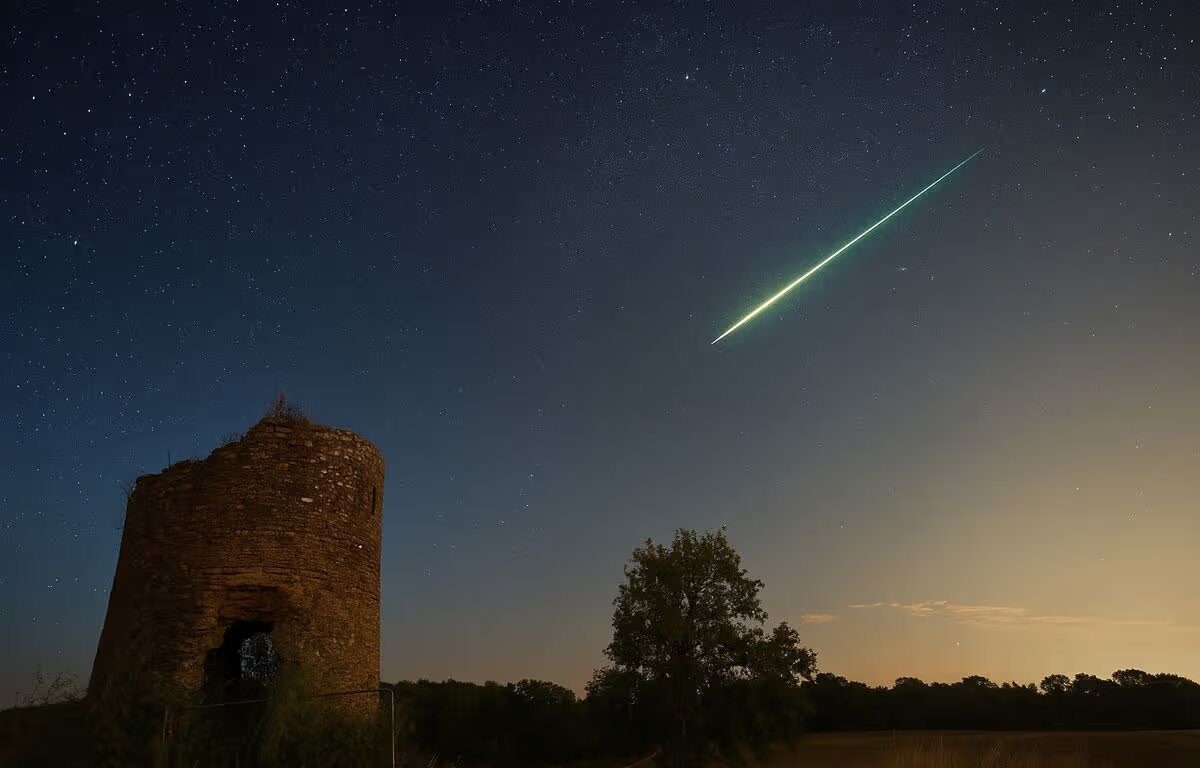
The Eta Aquarid meteor shower is currently reaching its peak, offering one of the year’s best opportunities for stargazers to witness celestial activity.
This annual event is known for its high-speed meteors and the unique historical connection they share with one of the most famous comets in history.
According to astronomical data from May 2026, the shower is expected to produce a significant number of visible streaks across the night sky during its peak window.
The Halley’s Comet Connection
The Eta Aquarids are not just random rocks; they are composed of ancient debris trailing behind Halley’s Comet.
As Earth passes through this stream of dust and ice particles, the debris enters our atmosphere at incredible speeds, creating the glowing trails we see as meteors.
- Origin: Debris from 1P/Halley (Halley’s Comet).
- Speed: Meteors enter the atmosphere at approximately 41 miles per second (66 kilometers per second).
- Characteristics: Known for “persistent trains” that can stay visible for several seconds.
Peak Dates and Viewing Windows
While the shower is active from mid-April through late May, the maximum activity is concentrated during a specific 48-hour period.
For 2026, the peak occurs overnight between May 5 and May 6, though the nights immediately before and after will still show significant activity.
The best time to observe is generally during the pre-dawn hours, specifically after the radiant point rises and before the first light of morning begins to wash out the sky.
Hourly Rate and Visibility Factors
The number of meteors an observer can see depends heavily on their geographic location and the local sky conditions.
Under ideal conditions in the Southern Hemisphere, observers may see up to 50 or 60 meteors per hour during the peak.
- Southern Hemisphere: Best viewing location with the radiant point high in the sky.
- Northern Hemisphere: Lower rates, typically 10 to 30 meteies per hour, due to the radiant’s lower altitude.
- Moon Phase: In 2026, a waning gibbous moon will provide some light interference, making it harder to see the fainter meteors.
Locating the Radiant Point
The meteors appear to originate from the constellation Aquarius, specifically near the star Eta Aquarii.
This specific point in the sky is known as the radiant, and its position determines how many meteors will be visible from different parts of the globe.
You do not need to look exactly at Aquarius to see the meteors; in fact, they often appear longer and more spectacular when viewed away from the radiant.
Optimal Viewing Locations and Conditions
Success in viewing the Eta Aquarids depends on minimizing light pollution and maximizing your field of view.
Astronomers recommend finding a wide-open space far from city lights, such as a state park or a rural area, to allow your eyes to adjust to the darkness.
- Dark Skies: Avoid streetlights and house lights for at least 20 minutes before observing.
- Field of View: Choose a spot where the horizon is not blocked by tall buildings or trees.
- Equipment: No telescopes or binoculars are required, as they limit your field of vision too much for fast-moving meteors.
Meteor Shower Comparison Data
The following table compares the Eta Aquarids to other major meteor showers to provide context on its intensity and speed.
| Meteor Shower | Peak Month | Typical Velocity | Source Body |
|---|---|---|---|
| Eta Aquarids | May | 66 km/s | Halley’s Comet |
| Perseids | August | 59 km/s | Comet Swift-Tuttle |
| Geminids | December | 35 km/s | Asteroid 3200 Phaethon |
Tips for the Best Experience
Since the best viewing occurs in the hours before dawn, comfort and preparation are key for those planning to stay outside for long periods.
Observers should bring blankets or a reclining chair to lie flat on their back, looking straight up to see as much of the sky as possible.
Avoid looking at your phone or any bright white light, as this will reset your “night vision” and make it impossible to see the dimmer shooting stars.
If you cannot view the event in person due to weather, several organizations offer live celestial webcasts to watch the peak online.
Future Outlook and Halley’s Debris
The Eta Aquarids are one of two showers created by Halley’s Comet; the second is the Orionids, which occurs every October.
Because the comet has circled the sun for thousands of years, the debris stream is very wide, ensuring that the Eta Aquarids remain a reliable annual event for centuries to come.
While the comet itself will not return to the inner solar system until 2061, these annual showers provide a yearly “visit” from its ancient particles.
Scientific Importance of the Shower
Scientists monitor the Eta Aquarid rates every year to study the density and evolution of the debris trail left by Halley’s Comet.
Variations in the number of meteors can indicate where the comet’s dust is most concentrated, helping researchers understand the comet’s history and orbital changes over time.
- Dust Evolution: Tracking how the stream spreads out over millennia.
- Atmospheric Impact: Studying how different sizes of particles burn up in the upper atmosphere.
- Orbital Mechanics: Refining the path of the parent comet based on debris distribution.
For those under clear skies tonight, the Eta Aquarids offer a rare tangible link to a legendary comet and a breathtaking natural light show.