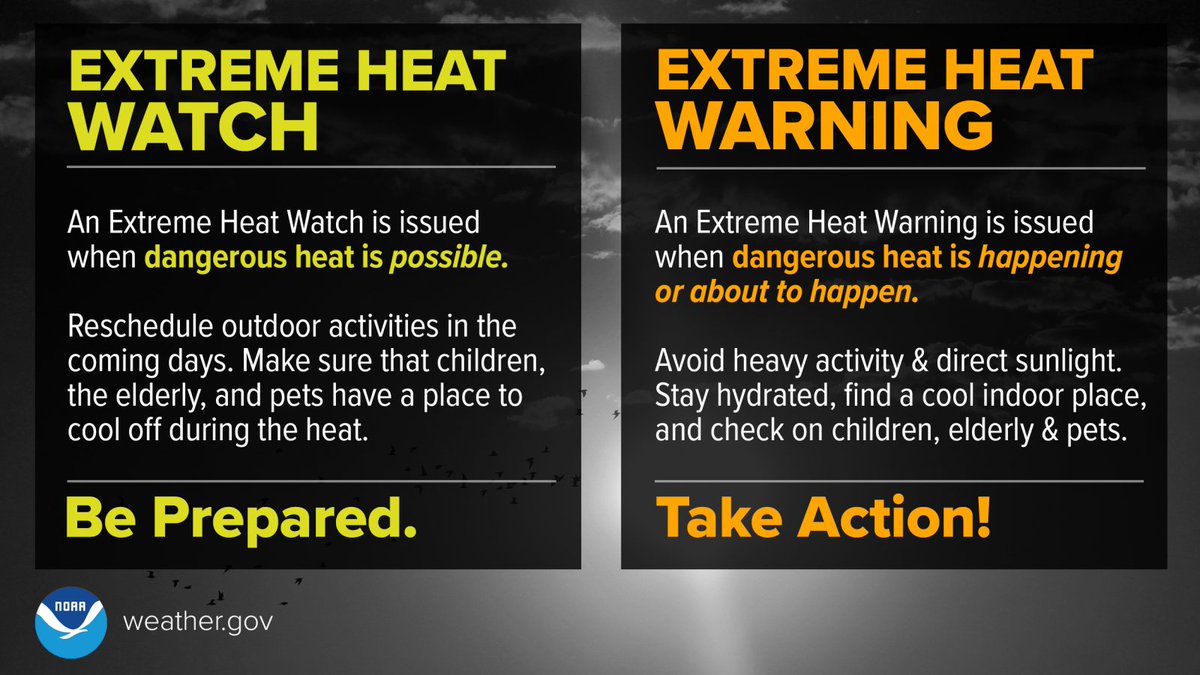
National Weather Service Issues Extreme Heat Watch for Southern California
The National Weather Service (NWS) has officially issued an updated extreme heat watch for Southern California, warning residents of a significant spike in temperatures expected to begin this Sunday.
Meteorologists at the NWS San Diego CA office released the alert at 8:51 p.m. on Thursday, signaling a multi-day period of intense heat that poses risks to public health and safety.
The watch is specifically valid from Sunday morning at 10 a.m. until Tuesday evening at 8 p.m., covering several high-impact zones across the southern portion of the state.
An additional update from the NWS Phoenix AZ office followed at 11:33 p.m. on Thursday, focusing on sections of the region where the watch will remain in effect through Monday night.
Chronology and Duration of the Heat Alert
The current weather patterns indicate a sustained period of high pressure that will prevent typical overnight cooling and lead to dangerous daytime peaks.
- Alert Commencement: Sunday, May 10, 2026, at 10 a.m. local time.
- San Diego Expiration: Tuesday, May 12, 2026, at 8 p.m.
- Phoenix/Regional Expiration: Monday, May 11, 2026, at 8 p.m.
- Key Areas Affected: Inland Empire, desert corridors, and mountain regions of Southern California.
Residents are encouraged to monitor the National Weather Service for real-time updates as the watch may transition into a formal heat warning.
The Rise of the “Super El Niño” Phenomenon
Global climate forecasters are highlighting a broader environmental driver behind these localized heat spikes: the potential for a “Super El Niño.”
Rising Pacific Ocean temperatures are fueling dangerous weather patterns that extend far beyond the borders of California, impacting multiple continents simultaneously.
Forecasters warn that this specific climate cycle could result in record-breaking global heat and severe environmental shifts throughout the 2026 season.
- Global Heat Risks: Unprecedented daytime highs across urban and rural sectors.
- Precipitation Extremes: High risk for both severe droughts and flash flood events.
- Storm Intensity: Potential for more frequent and powerful storm systems fueled by ocean warmth.
These global climate patterns suggest that the current Southern California watch is part of a larger trend of escalating atmospheric volatility.
Weather Alerts and Forecast Summary
The following table summarizes the specific technical details provided by the regional NWS offices regarding the current watch status.
| Issuing Office | Effective Time | End Time | Region Covered |
|---|---|---|---|
| NWS San Diego | Sunday 10 a.m. | Tuesday 8 p.m. | Southern CA Districts |
| NWS Phoenix | Sunday 10 a.m. | Monday 8 p.m. | Eastern CA / AZ Borders |
The duration of these watches highlights the expectation of “dangerous heat” that does not dissipate quickly after the sun sets.
Impact on Local Infrastructure and Public Health
The NWS categorizes an extreme heat watch as a period where conditions are favorable for heat-related illnesses if precautions are not taken.
The forecast suggests that the Inland Empire and desert regions will see the most significant temperature departures from normal May averages.
Health officials note that these conditions can lead to rapid dehydration and heat exhaustion, particularly for those working outdoors or without access to air conditioning.
Public advisories often accompany these watches, urging the community to check on vulnerable neighbors and pets during the peak hours of 10 a.m. to 8 p.m.
Regional Comparison and Overlapping Weather Events
While Southern California prepares for heat, other regions are seeing contrasting weather shifts, including storm chances returning to the central United States.
In Oklahoma, forecasters noted return chances for storms on Friday and Saturday, contrasting with the dry, high-pressure dome building over the West.
Meanwhile, international alerts, such as those in Pakistan, mention hot weather spells lasting until May 11, mirroring the global trend of early-season heat surges.
This synchronization of heat events across the globe aligns with the “Super El Niño” warnings issued by climate researchers tracking Pacific water temperatures.
- Southern California: Primary focus of the current Sunday-Tuesday watch.
- Central U.S.: Monitoring storm chances on Friday and Saturday before potential heat shifts.
- Global Impact: Multiple continents facing flood risks and extreme heat concurrently.
Long-Term Climate Outlook for 2026
The Pacific Ocean’s rising temperatures are being closely monitored as they reach levels that could define the 2026 climate record.
Forecasters from Inkl and other news agencies report that the “Super El Niño” could be one of the most powerful on record, leading to prolonged heatwaves.
This specific heat watch in Southern California is viewed by many meteorologists as an early indicator of a potentially volatile summer season.
Data from the NWS San Diego CA and NWS Phoenix AZ offices will be updated as the Sunday 10 a.m. start time approaches.
Residents are advised to finalize heat-safety preparations by Saturday evening, as the watch encompasses the entirety of the early work week.
The NWS continues to emphasize that the “extreme heat watch” is a call to action for local governments and individuals to mitigate the risks associated with high thermal stress.
Further updates are expected if the atmospheric pressure intensifies, which could lead to an upgrade to an “Extreme Heat Warning” for the most severely impacted counties.