US Navy Destroyers Transit Strait of Hormuz Under Iranian Fire
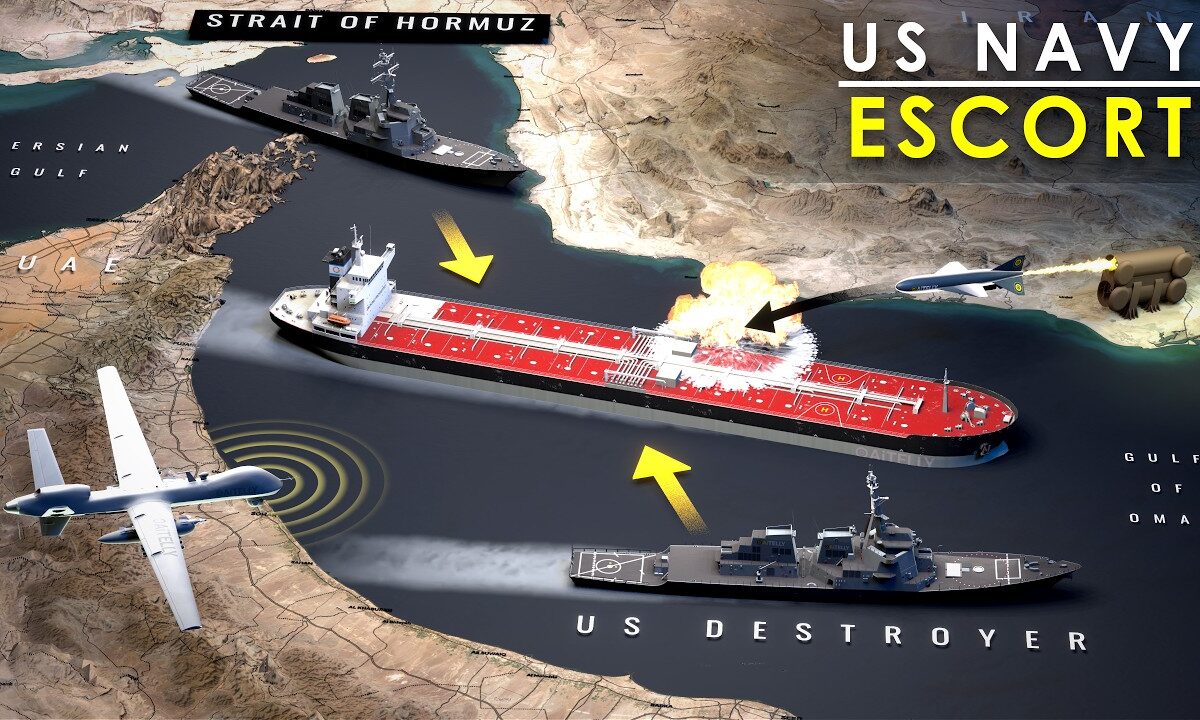
Two United States Navy guided-missile destroyers successfully navigated the Strait of Hormuz on Tuesday after coming under direct fire from Iranian forces.
The USS Mason was identified as one of the two vessels involved in the high-stakes transit through the narrow waterway, which connects the Gulf of Oman and the Persian Gulf.
Reports indicate that the American warships were targeted by an Iranian barrage shortly after entering the strait, a critical chokepoint for global oil transit.
Despite the engagement, military reports confirm that the USS Mason and the accompanying destroyer survived the encounter without reported damage or casualties among the crew.
Details of the Military Engagement in the Strait
The incident occurred as the U.S. Navy was conducting a high-profile escort operation to protect commercial shipping interests in the region.
- Vessels Involved: USS Mason and one additional unnamed guided-missile destroyer.
- Location: The Strait of Hormuz, specifically entering the Persian Gulf.
- Nature of Attack: Described as an “Iranian barrage” involving fire directed at the ships.
- Operational Status: Both ships successfully dodged the barrage and reached their destination in the Persian Gulf.
The USS Mason is based out of Mayport, Florida, and was operating as part of a larger strategic deployment to maintain maritime security.
CBS News first reported that the vessels were fired upon by Iranian forces specifically for entering the Strait of Hormuz.
Escalating Tensions and the U.S. Response
The transit follows a period of heightened friction between Washington and Tehran, leading to a massive mobilization of American military assets.
Former President Donald Trump has issued stern warnings to the Iranian government as the U.S. continues to escort commercial vessels through the volatile region.
The current naval operations in the Middle East involve a significant presence of service members and advanced hardware to deter further aggression.
- Total Personnel: Approximately 15,000 U.S. service members are currently deployed in the area.
- Air Support: More than 100 aircraft are providing overhead surveillance and strike capabilities.
- Naval Assets: Multiple guided-missile destroyers are active in escort duties.
The operation is designed to ensure the safe passage of commercial ships through one of the world’s most contested maritime corridors.
Risk to Regional Ceasefire
Analysts suggest that recent attacks in and around the Strait of Hormuz have placed the fragile U.S.-Iranian ceasefire at an elevated risk of total collapse.
In addition to the direct fire on U.S. destroyers, reports have surfaced regarding Iranian attacks on shipping interests near the United Arab Emirates.
These actions are seen as a significant stress test for the informal diplomatic agreements previously holding the two nations back from open conflict.
The national security implications of these maritime skirmishes have reached a critical point for the Commerce Department and military planners.
Strategic Importance of the USS Mason
The USS Mason has a history of operating in high-threat environments and is equipped with advanced missile defense systems.
The ability of the destroyer to navigate through the barrage highlights the technical capabilities of the Arleigh Burke-class vessels deployed by the Navy.
- Homeport: Naval Station Mayport, Jacksonville, Florida.
- Mission: Protecting international shipping lanes and responding to hostile threats.
- Recent Activity: Successfully transited the Strait after dodging Iranian fire to enter the Persian Gulf.
Local news outlets in Jacksonville have closely monitored the status of the Mayport-based ship following the initial reports of the attack.
The crew of the USS Mason remains on high alert as the fleet continues its mission within the Persian Gulf waters.
International Impact on Shipping and Security
The Strait of Hormuz remains a vital artery for the world’s energy supply, making any military activity there a global concern.
Iranian forces have historically used the narrowness of the strait to exert pressure on international adversaries by threatening to close the passage.
The U.S. Navy’s commitment to “escorting ships” serves as a direct counter-measure to Iranian attempts to disrupt the flow of commerce.
The following table outlines the current military posture reported in the region:
| Category | Details Reported |
|---|---|
| Primary Target | USS Mason and secondary destroyer |
| Hostile Actor | Iranian Military Forces |
| US Personnel Count | 15,000 Service Members |
| Aircraft Count | 100+ units |
As of the latest reports, the situation remains fluid with the potential for further military encounters if the escort missions continue.
The safe arrival of the destroyers in the Persian Gulf marks a tactical success, yet the strategic threat remains high given the recent “barrage” of fire.
Military officials have not released specific details regarding the exact weaponry used by Iran during the engagement or the specific maneuvers used by the U.S. ships to evade the fire.