US Markets React to Robust April Employment Data
The United States stock market experienced a significant upward trend during Friday’s trading session following the release of the latest labor market statistics.
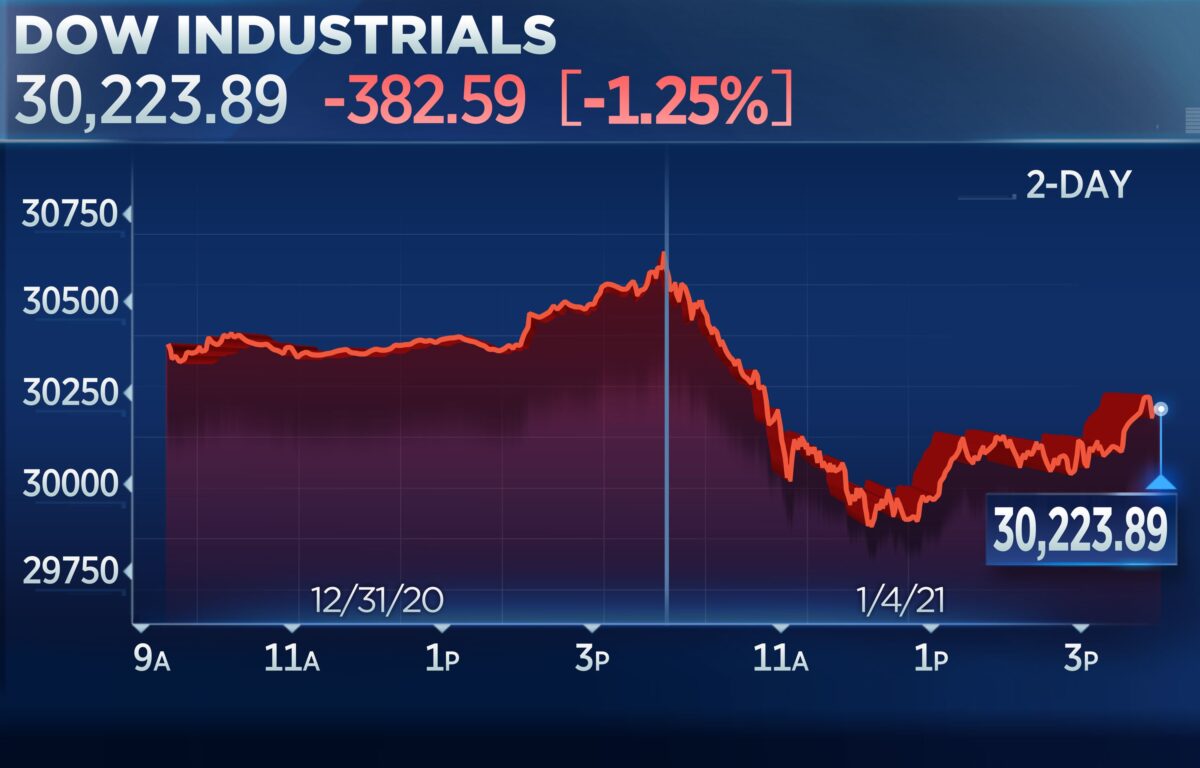
Major indices including the Dow Jones Industrial Average, S&P 500, and Nasdaq 100 all posted gains as investors processed a stronger-than-expected jobs report.
The U.S. economy successfully added 115,000 jobs in April, a figure that significantly outperformed initial economist projections and provided a boost to investor confidence.
Market participants viewed the hiring strength across multiple sectors as a sign of continued economic resilience despite ongoing global geopolitical tensions.
Performance Breakdown of Major Market Indices
Trading activity showed a broad-based rally with the Dow Jones Industrial Average leading the sentiment for blue-chip equities.
- Dow Jones Industrial Average: The index rose by 0.22% during the morning session.
- S&P 500 Index: Recorded a gain of 0.62% as broad market sentiment remained positive.
- Nasdaq 100 Index: Showed strength driven by technical sector earnings and labor stability.
The Global Equity Markets have been closely monitoring these domestic indicators to gauge the health of the world’s largest economy.
This surge in market value comes at a time when analysts are closely watching for signs of sustainable growth in the face of varying interest rate environments.
Key Drivers Behind the April Jobs Beat
The hiring surge was not limited to a single industry but was distributed across several vital sectors of the U.S. economy.
Solid hiring was observed in industries ranging from technology to service sectors, indicating a healthy demand for labor across the board.
Technical earnings also played a crucial role in the market’s performance, with solid reports from major tech firms providing additional momentum for the Nasdaq and S&P 500.
Investors responded favorably to the combination of high employment numbers and stable corporate profitability reports released during the same period.
Market Impact Table: Index Movements
| Market Index | Percentage Change | Primary Driver |
|---|---|---|
| S&P 500 | +0.62% | Tech Earnings & Labor Data |
| Dow Jones | +0.22% | Industrial & Blue Chip Strength |
| Micron Technology | +8.00% | Storage Sector Surge |
Sector Highlights and Individual Stock Performance
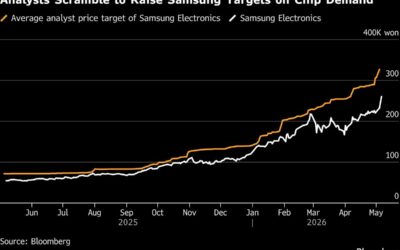
The storage and semiconductor sectors emerged as top performers during the Friday rally, with specific companies seeing massive gains.
Micron Technology (MU.US) saw its stock price surge by over 8%, leading the pack in the technology hardware space.
Other notable movers in the storage sector included SanDisk (SNDK.US), which climbed more than 7%, and Western Digital (WDC), which also saw significant appreciation.
The strength in these stocks suggests a growing optimism regarding the Investment Banking Trends currently favoring AI-driven hardware and data storage infrastructure.
Political and Economic Perspectives on the Boom
The current state of the market has drawn attention from political figures, with President Donald Trump commenting on the all-time highs reached by U.S. stocks.
In social media posts, Trump highlighted the “booming” status of jobs and 401(k) accounts, sharing snapshots of the soaring Dow Jones figures.
He noted that the record-breaking performance of the stock market serves as a direct indicator of the underlying strength of the American worker and consumer.
However, economists remain cautious, frequently discussing the difficulty of identifying a potential “stock-market bubble” in such a rapid growth environment.
Summary of Key Market Factors
Several unique data points from the latest reports illustrate why the market has reached these recent milestones.
- Total Jobs Added: 115,000 in April alone.
- Sector Performance: Significant gains in tech, storage, and industrial sectors.
- Geopolitical Context: Markets remained bullish despite tensions in the Strait of Hormuz and the Iran conflict.
- Investor Sentiment: High confidence driven by “Money-Losing Pivots” in companies transitioning toward AI visions.
TeraWulf is one such example, where the stock rose despite reporting losses, as investors chose to buy into the long-term AI data center transition strategy.
This “AI Vision” is increasingly becoming a dominant theme for investors looking for growth opportunities in a shifting technological landscape.
The Labor Market’s Role in Economic Stability
The resilience of the U.S. labor market is currently acting as a primary buffer against recessionary fears that have plagued headlines recently.
While some economists expected a cooling period, the April data suggests that businesses are still actively expanding their payrolls to meet demand.
This stability is essential for maintaining consumer spending levels, which in turn supports the earnings of the companies listed on the Dow Jones and S&P 500.
As the market moves into the mid-year period, the focus will remain on whether this hiring pace can be maintained without triggering significant inflationary pressures.