Rising Infant Bleeding Risks Linked to Vitamin K Refusal
Medical experts are raising alarms as healthy newborns face life-threatening health outcomes due to a surge in Vitamin K shot refusals.
Recent investigative reports indicate that infants are suffering from preventable bleeding episodes, a condition directly linked to parental hesitancy.
This trend is being driven by a rise in misinformation and conspiracy theories that have gained traction among specific ideological groups.
Without this critical injection, babies lack the necessary blood-clotting factors, leading to what doctors describe as horrific medical outcomes.
Understanding Vitamin K Deficiency Bleeding
Vitamin K Deficiency Bleeding (VKDB) is a serious condition where an infant’s blood cannot clot, leading to internal or external hemorrhaging.
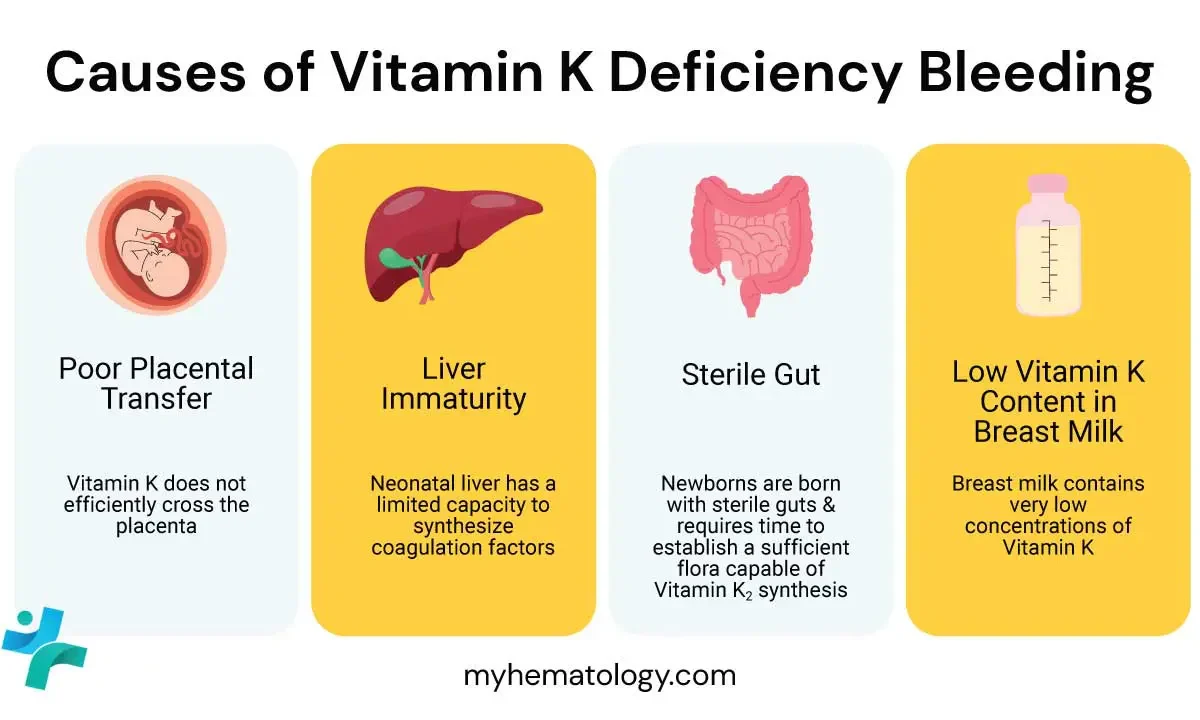
Newborns are naturally born with very low levels of Vitamin K because the nutrient does not easily pass through the placenta.
Key biological factors contribute to this natural deficiency in newborns:
- Infants have extremely limited stores of Vitamin K in their livers at birth.
- Breast milk is a poor source of Vitamin K, failing to provide sufficient levels for clotting.
- The healthy bacteria that produce Vitamin K in the gut are not yet present in newborns.
- Late-onset bleeding can occur unexpectedly in babies up to six months of age.
Medical professionals emphasize that preventing infant hemorrhaging is only possible through the standard prophylactic injection administered shortly after birth.
The Danger of Late-Onset Bleeding
Late-onset VKDB is particularly treacherous because it affects infants who appear entirely healthy during their first weeks of life.
Reports show that 1 in 5 babies with late-onset VKDB dies from the condition.
Furthermore, approximately 50% of infants who survive late-onset bleeding suffer from permanent brain damage due to intracranial hemorrhages.
The Impact of Parental Refusal Trends
Investigative reports from the US examine the rising rates of parental refusals and their connection to preventable infant suffering.
The refusal of the Vitamin K shot has been linked to a broader climate of medical skepticism often seen on the political Right.
The following table illustrates the risks associated with Vitamin K refusal in modern clinical settings:
| Factor | Clinical Impact |
|---|---|
| Relative Risk | Unvaccinated infants are 81 times more likely to develop late-onset VKDB. |
| Brain Bleeding Rate | Over half of late-onset cases involve bleeding into the brain. |
| Prevention Efficacy | Vitamin K shots are nearly 100% effective at preventing VKDB. |
| Historical Context | Routine shots have been the standard medical care since 1961. |
Medical staff report that many parents now view the routine shot with suspicion, often fueled by “paranoid conspiracy theorists” online.
Warning Signs of Vitamin K Deficiency
Parents who opt out of the injection must monitor their infants for subtle signs of a bleeding disorder.
Health experts note that the first sign of deficiency is often a catastrophic event, but some early indicators include:
- Unexplained bruising, particularly on the baby’s head or face.
- Bleeding from the nose, umbilical area, or gastrointestinal tract.
- Pale skin or gums and a yellowish tint to the eyes (jaundice) after the first few weeks.
- Seizures, extreme fussiness, or excessive sleepiness, which may indicate a brain bleed.
Often, these symptoms are caught too late, leaving medical teams to deal with “babies bleeding to death” from a condition that was entirely avoidable.
Misinformation and the Medical Community Response
The medical community is struggling to combat the narrative that these routine health measures are unnecessary or harmful.
Reports suggest that the refusal of the Vitamin K shot is often the first step in a total rejection of standard neonatal screening protocols and vaccinations.
Health practitioners are urged to communicate the severity of VKDB risks more clearly to expectant parents to bridge the gap created by misinformation.
The Role of “Natural” Parenting Trends
Many parents who refuse the shot claim they want a “natural” birth experience free from synthetic interventions.
However, doctors clarify that “natural” Vitamin K levels in newborns are dangerously low by design, and nature does not provide a safety net for clotting.
The rise in “weird MAHA parents” and other groups skeptical of traditional medicine has led to a documented increase in these tragic outcomes.
Clinical data confirms that there is no effective oral alternative that matches the reliability of the intramuscular injection.
Long-term Consequences for Surviving Infants
For the infants who survive a major bleeding event, the road to recovery is often long and incomplete.
Brain bleeds caused by Vitamin K deficiency frequently lead to lifelong disabilities, including motor impairment and cognitive delays.
These outcomes represent a significant burden on the healthcare system and, more importantly, a tragic loss of quality of life for the child.
Investigative reports conclude that the hesitancy surrounding the Vitamin K shot is a growing public health crisis that requires immediate intervention.
The medical consensus remains firm: the Vitamin K shot is a safe, essential, and life-saving component of newborn care.
As parental refusal rates continue to climb in certain regions, the frequency of these preventable tragedies is expected to rise accordingly.