Congressional Democrats Launch Major Probe Into Trump Pardons
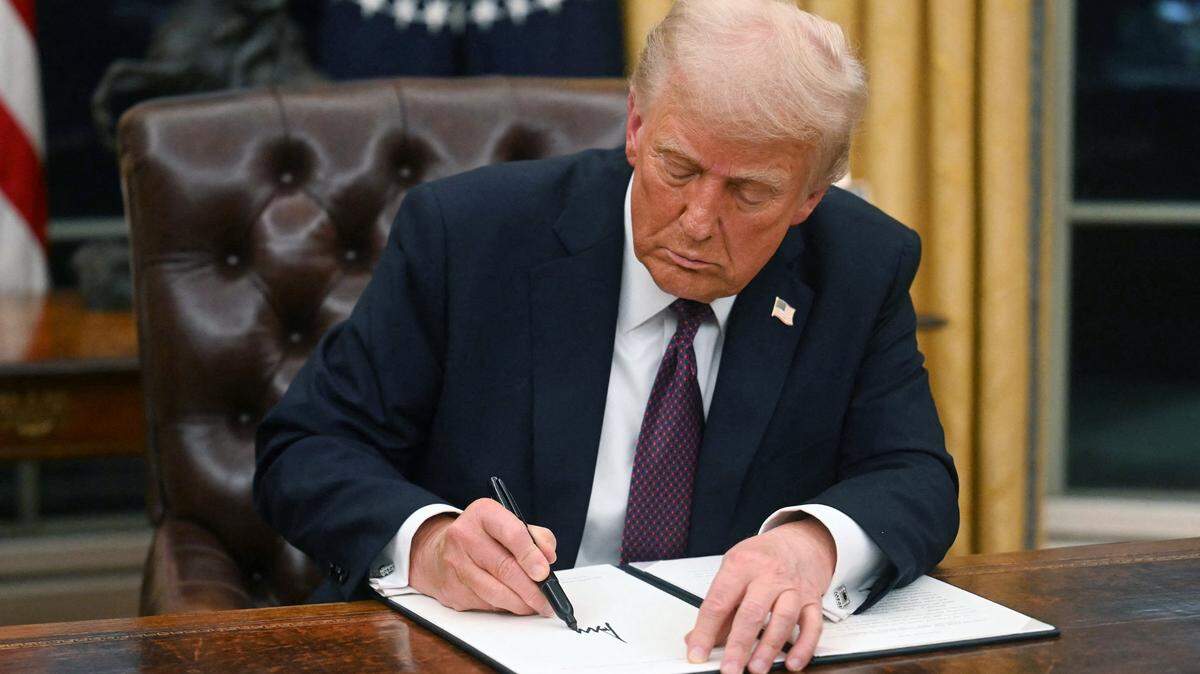
Senate and House Democrats have officially opened a wide-ranging investigation into whether pardons and sentence commutations issued by President Donald Trump were influenced by political donations or lobbying efforts.
The investigation focuses on “pay-to-play dynamics,” exploring if individuals and entities received executive clemency in exchange for financial support or political favors.
Key committees involved in this oversight effort include:
- The Senate Judiciary Committee
- The House Oversight and Accountability Committee
- Various subcommittees focused on government ethics and legal standards
Lawmakers are specifically reviewing a series of pardons granted to wealthy individuals, political allies, and those with connections to high-profile lobbyists.
Allegations of Financial Influence in the Pardon Process
The core of the investigation lies in the suspicion that the standard Department of Justice pardon process was bypassed in favor of a “shadow” system accessible to those with deep pockets.
Democratic leaders suggest that the pardon power, intended as a tool for justice and mercy, may have been utilized as a transactional commodity.
Reports indicate that several federal clemency procedures were allegedly ignored to expedite requests from well-connected donors.
Investigators are looking into the following specific concerns:
- The role of professional lobbyists in securing direct access to the Oval Office for clemency seekers.
- Large-scale donations made to political action committees (PACs) shortly before or after pardons were granted.
- The lack of traditional background checks by the Office of the Pardon Attorney for certain high-profile recipients.
The probe aims to determine if these actions constitute an abuse of power or a violation of federal ethics laws.
Focus on High-Profile Recipients and Lobbying Efforts
The investigation has highlighted several controversial cases where pardons were granted to individuals with significant financial resources or political ties.
One specific area of scrutiny involves lobbying efforts by Nicole Daedone, the founder of OneTaste, a company often likened to a sex cult.
Daedone and former head of sales Rachel Cherwitz recently exited federal court in Brooklyn as they faced legal challenges related to their organization’s practices.
Details regarding the OneTaste lobbying efforts include:
- Lobbyists specifically targeted the White House to secure pardons for leadership members.
- The organization has been under federal investigation for various labor and sex-related allegations.
- The use of high-priced consultants to navigate the executive clemency landscape.
Congress is demanding records related to these communications to understand how such controversial figures gained consideration for presidential mercy.
The Legal Framework and Constitutional Implications
While the United States Constitution grants the President broad authority to issue pardons, Democrats argue this power is not absolute and must be free from corruption.
The investigation seeks to establish a timeline of events between the filing of pardon petitions and the receipt of political contributions.
Legal experts note that while a president cannot be prosecuted for the act of pardoning itself, the presidential powers and limitations regarding bribery and witness tampering remain relevant.
The committees have requested the following documentation from relevant agencies:
- Communication logs between the White House and the Department of Justice.
- Financial records of donors who received clemency.
- Internal memos discussing the rationale for bypassing the Office of the Pardon Attorney.
This data synthesis is intended to provide a clear picture of whether the pardon process was subverted for personal or political gain.
Political Reax and Future Legislative Action
Republicans have largely criticized the probe as a politically motivated attack intended to damage the former president’s reputation.
Conversely, Democratic lawmakers insist that the investigation is necessary to preserve the integrity of the justice system and ensure that “justice is not for sale.”
The results of this investigation could lead to new legislative proposals aimed at reforming the pardon process.
Potential legislative goals include:
- Requiring greater transparency in the reporting of pardon applications.
- Establishing mandatory disclosure of any political contributions made by pardon seekers or their families.
- Formalizing the role of the Department of Justice to prevent the bypassing of legal reviews.
The inquiry remains ongoing as committees wait for the production of documents and the scheduling of witness testimonies from former administration officials.
As the “pay-to-play” probe expands, it continues to examine the intersection of executive power, political fundraising, and the rule of law.