Uncertainty Clouds Iran-US Conflict Amid Reopening Rumors
The geopolitical landscape of the Middle East hangs in a delicate balance as reports emerge regarding a potential de-escalation of the Iran-US war.
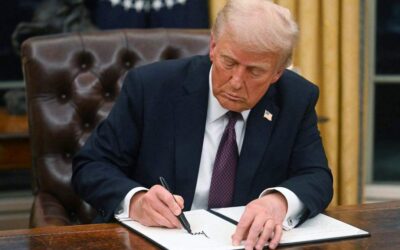
US President Donald Trump stated on Friday that he is currently awaiting a response from Tehran concerning Washington’s latest proposal.
This proposal is designed to serve as a formal deal to end the Middle East war, which has disrupted global energy markets and regional stability.
The Strait of Hormuz, a critical chokepoint for global oil transit, is rumored to potentially reopen as early as Saturday.
Diplomatic Standoff in Islamabad
Despite the rumors of a reopening, diplomatic efforts remain strained as both nations navigate a complex peace process.
- Negotiation Site: The United States and Iran are reportedly moving toward new talks hosted in Islamabad.
- Core Disagreement: Washington seeks a formal end to the war before discussing contentious issues like Iran’s nuclear program.
- Tehran’s Stance: Iranian officials operate on a different diplomatic clock, showing a surreal mix of war footing and willingness to talk.
- Mediation: Efforts to bridge the gap between the two nations continue as Gulf clashes persist.
Military Escalation in the Strait of Hormuz
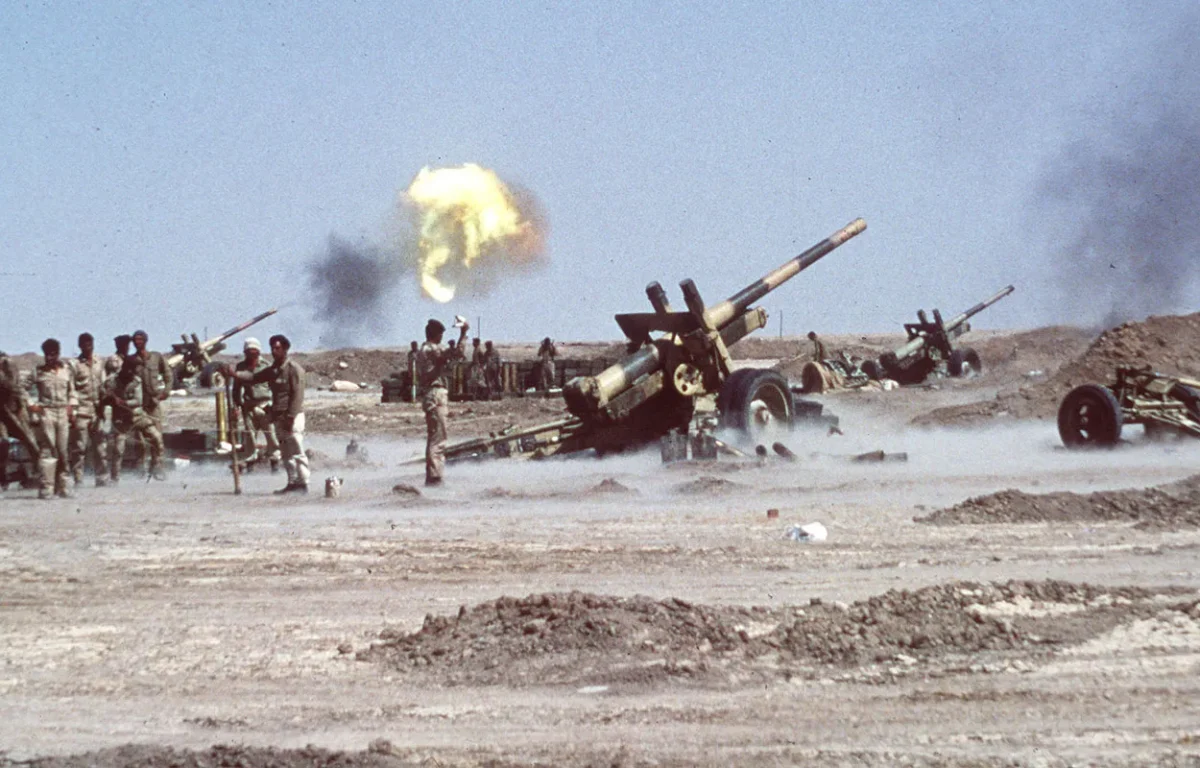
While diplomats talk, the situation on the ground has taken a dangerous turn with fresh fighting erupting in the Persian Gulf.
Cargo ships were recently seen anchored near Bandar Abbas, Iran, as clashes flared between naval forces in the region.
The Strait of Hormuz has become a literal battleground, with the global energy market reacting sharply to the closure of this vital shipping lane.
The closure has effectively choked off supplies to the world’s largest consumers, leading to a significant drop in energy imports for major economies.
US Targets Chinese Support for Iran
The conflict has expanded beyond the Middle East, involving international players through technological and logistical support.
The US government has imposed strict sanctions on three Chinese firms accused of providing satellite imagery to Tehran.
These firms reportedly enabled Iran to conduct military strikes against American forces by providing high-resolution data.
| Company Type | Reason for Sanctions | Impact |
|---|---|---|
| Chinese Satellite Firms | Providing imagery to Iran | Assisting Iranian military strikes |
| Energy Suppliers | Violating trade restrictions | Restricted access to US markets |
Economic Repercussions and the UAE Response
The war has forced regional neighbors to accelerate their economic independence and industrial strategies.
The United Arab Emirates is entering a new phase of economic diversification, measuring success by its ability to build and export internally.
While the war did not initiate the UAE’s industrial push, it has significantly accelerated the timeline for these national projects.
This shift is intended to protect the local economy from the volatility of the international trade sanctions and regional blockades.
Energy Crisis: China’s Oil Imports Plummet
The impact of the war is being felt heavily in Asia, specifically within China’s industrial sector.
China’s oil imports fell to their lowest level in nearly four years during the month of April.
- Fuel Exports: Chinese fuel exports have hit a decade low due to supply chain disruptions.
- Supply Blockage: The closure of the Strait of Hormuz has severed the primary artery for crude oil flow.
- Economic Slowdown: Reduced energy availability is impacting manufacturing and transport sectors across the mainland.
Strategic Developments and Border Tensions
The conflict remains a mix of high-stakes military maneuvers and desperate attempts at reaching a ceasefire.
The latest updates indicate that while a deal is on the table, the actual cessation of hostilities is far from guaranteed.
Recent clashes in the Gulf suggest that neither side is fully ready to back down without significant concessions.
Washington remains on high alert, awaiting Tehran’s official response to the Islamabad peace framework while maintaining a strong military presence near the Strait.
The world now looks toward Saturday to see if the promised reopening of the Strait of Hormuz will materialize or if the war will enter a more prolonged and destructive phase.