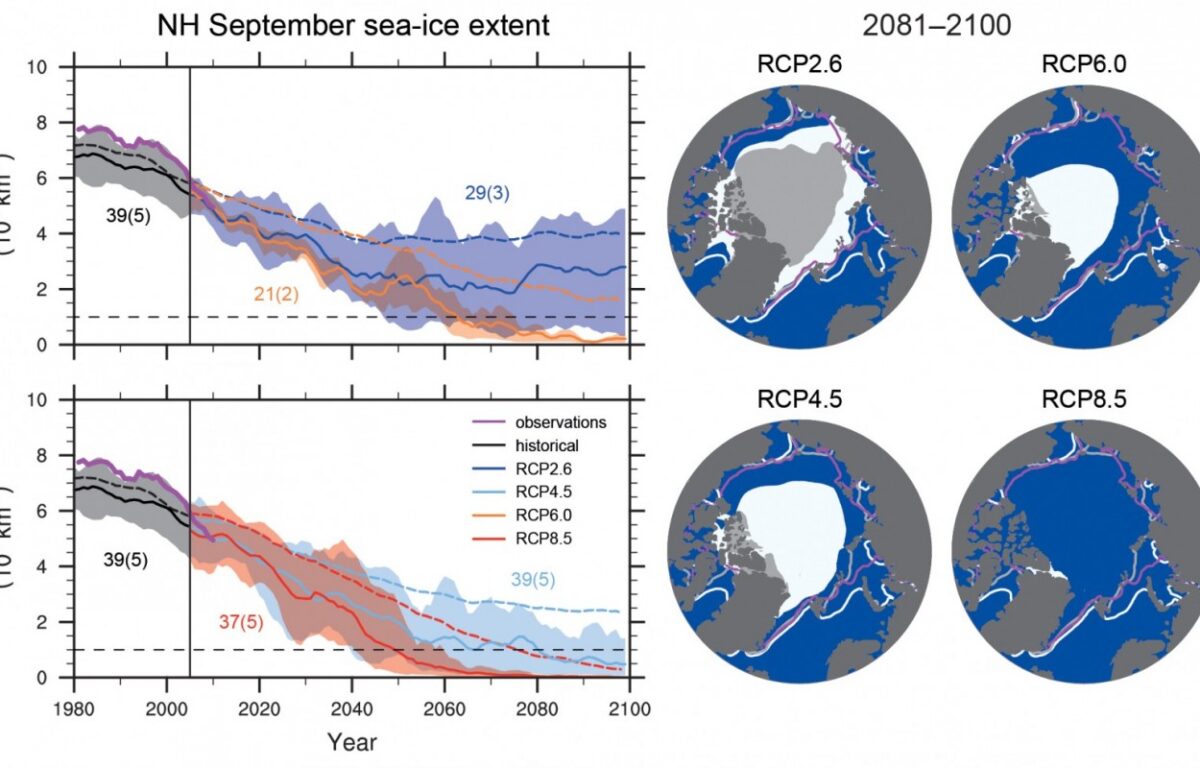
Antarctica’s Sea Ice Mystery Solved: Scientists Reveal ‘Triple Whammy’ Factors
For decades, Antarctica appeared to remain relatively insulated from the rapid ice melting observed in the Arctic region.
This perception shifted dramatically between 2002 and 2020, as data revealed a significant change in the continent’s stability.
According to NASA, Antarctica lost roughly 149 billion metric tonnes of ice each year during that nearly two-decade period.
Recent studies have now identified a “triple whammy” of climate chaos that has driven sea ice to record-breaking lows.
Scientists uncover reasons behind this collapse, noting that the insulation the continent once enjoyed has been breached.
The Triple Whammy of Climate Factors
Researchers have pinpointed three specific environmental drivers working in tandem to destroy Antarctic sea ice.
- Warming Ocean Temperatures: Subsurface heat is rising, preventing the seasonal formation of thick ice layers.
- Shifting Wind Patterns: Changes in atmospheric circulation are pushing existing ice into warmer northern waters.
- Atmospheric Heatwaves: Unusual spikes in air temperature are causing surface melt in areas previously considered stable.
The combination of these factors has created a feedback loop that accelerates the decline of the southern ice shield.
This collapse is no longer a mystery to the scientific community, as the correlation between these three drivers is now clear.
Impact on Global Sea Levels and Ecosystems
The rapid melting of Antarctic sea ice has far-reaching consequences for the entire planet.
As the ice disappears, the darker ocean water absorbs more sunlight, further warming the planet in a process known as the albedo effect.
Detailed Climate Change Analysis suggests that the loss of this ice buffer contributes to rising sea levels globally.
The decline also threatens the habitats of various species that rely on sea ice for breeding and hunting.
| Metric | Recorded Data |
|---|---|
| Annual Ice Loss (2002-2020) | 149 Billion Metric Tonnes |
| Primary Drivers | Triple Whammy (Ocean, Wind, Heat) |
| Recent Ice Levels | Record Lows |
Broader ICE Context: Immigration and Enforcement
While environmental “ice” faces collapse, the acronym ICE—referring to U.S. Immigration and Customs Enforcement—is also making headlines.
A federal judge recently ordered the release of Maria Loya Medina, an Albany mother of two, from the Northwest Detention Center in Tacoma.
Medina had been held in ICE custody for four months after being detained in January while buying socks for her son.
The judge’s order deemed her previous detention unnecessary, allowing her to return to her family in Oregon.
Meanwhile, in Washington County, local groups like Hagerstown Rapid Response are mobilizing against a proposed ICE detention facility.
- Facility Location: Washington County, Maryland.
- Advocacy Groups: Hagerstown Rapid Response and Washington County Indivisible.
- Objective: To stop the development of a new immigrant detention center in the region.
Winter Tourism and Ice Culture in Japan
In contrast to the environmental crisis in the south, ice remains a cornerstone of winter tourism in the northern hemisphere.
Hokkaido, Japan, has launched a new winter route that focuses on snow adventures and cultural experiences.
The route integrates the TOMAMU Resort, which is famous for its specialized Ice Villages featuring structures built entirely of frozen water.
These villages offer unique accommodations and dining experiences that celebrate the sub-zero climate.
The Sapporo Snow Festival continues to be a primary draw, attracting visitors to see massive ice sculptures and snow art.
Understanding Global Environmental Research helps scientists and travelers alike appreciate the delicate balance of these frozen landscapes.
Scientific Perspectives on Future Decline
Experts warn that the Antarctic sea ice collapse may have reached a point of no return if current warming trends continue.
The insulation that once protected Antarctica is no longer effective against the “triple whammy” of climate stressors.
Research indicates that the record lows seen in recent years are not just statistical outliers but part of a long-term trend.
NASA’s satellite data continues to track the 149 billion metric tonnes of annual loss as a benchmark for future projections.
The shift from a stable ice shelf to a rapidly declining one marks a significant era in polar history.
The intersection of atmospheric changes and oceanic warming remains the primary focus for researchers studying the Southern Ocean.
Summary of Regional ICE Developments
The term “ice” reflects a variety of critical global issues, from environmental science to human rights and tourism.
- Antarctica: Losing 149 billion tonnes of ice annually due to ocean and wind changes.
- United States: Legal battles continue over ICE detention facilities and the release of long-term detainees.
- Japan: Leveraging ice villages and snow festivals to bolster winter tourism in Hokkaido.
As scientists continue to monitor the Antarctic sea ice decline, the “triple whammy” serves as a stark warning of climate instability.
The release of Maria Loya Medina highlights the ongoing legal scrutiny regarding immigration enforcement protocols.
Simultaneously, the cultural and economic value of ice in Hokkaido demonstrates the diverse ways society interacts with frozen environments.