Player Frustrations Boil Over at Roland Garros
A group of prominent tennis stars, spearheaded by world number one Novak Djokovic and American sensation Coco Gauff, have publicly slammed the prize money distribution at the French Open.
The players are expressing deep disappointment over what they describe as a shrinking share of the tournament’s overall revenue despite the event’s massive financial success.
This revolt comes at a critical time for the professional tennis circuit, as athletes demand greater transparency and a more equitable split of the earnings generated by Grand Slam events.
The Core of the Prize Money Dispute
The primary grievance centers on the disparity between the tournament’s record-breaking revenue growth and the percentage that is actually trickling down to the competitors.
- Revenue Growth: Roland Garros has seen significant increases in ticket sales, broadcasting rights, and global sponsorships.
- Player Share: Competitors argue that their share of the “pot” has failed to keep pace with these commercial gains.
- Lower-Ranked Players: While top stars draw the crowds, there is a specific focus on ensuring players eliminated in early rounds receive sustainable compensation.
Novak Djokovic, who has long been an advocate for player rights through the Professional Tennis Players Association (PTPA), emphasized that the current model is no longer sustainable for the field.
Coco Gauff echoed these sentiments, noting that the physical demands and costs associated with the tour require a financial structure that reflects the tournament’s elite status.
Tournament Financials and Prize Pool Comparison
To understand the depth of the players’ frustration, it is necessary to look at how the French Open compares to other major sporting entities in terms of athlete compensation.
| Tournament Aspect | Player Complaint |
|---|---|
| Total Revenue | Surpassing previous years with new night session deals. |
| Prize Money Percentage | Significantly lower than major US sports leagues like the NBA or NFL. |
| Cost of Participation | Rising travel, coaching, and physio expenses for players. |
The players cite that in other professional sports, athletes typically receive closer to 50 percent of the revenue, whereas in tennis, that figure remains drastically lower.
Jannik Sinner and the Competitive Landscape
While the financial battle rages in the boardrooms, the competitive landscape of the French Open is shifting following major player withdrawals.
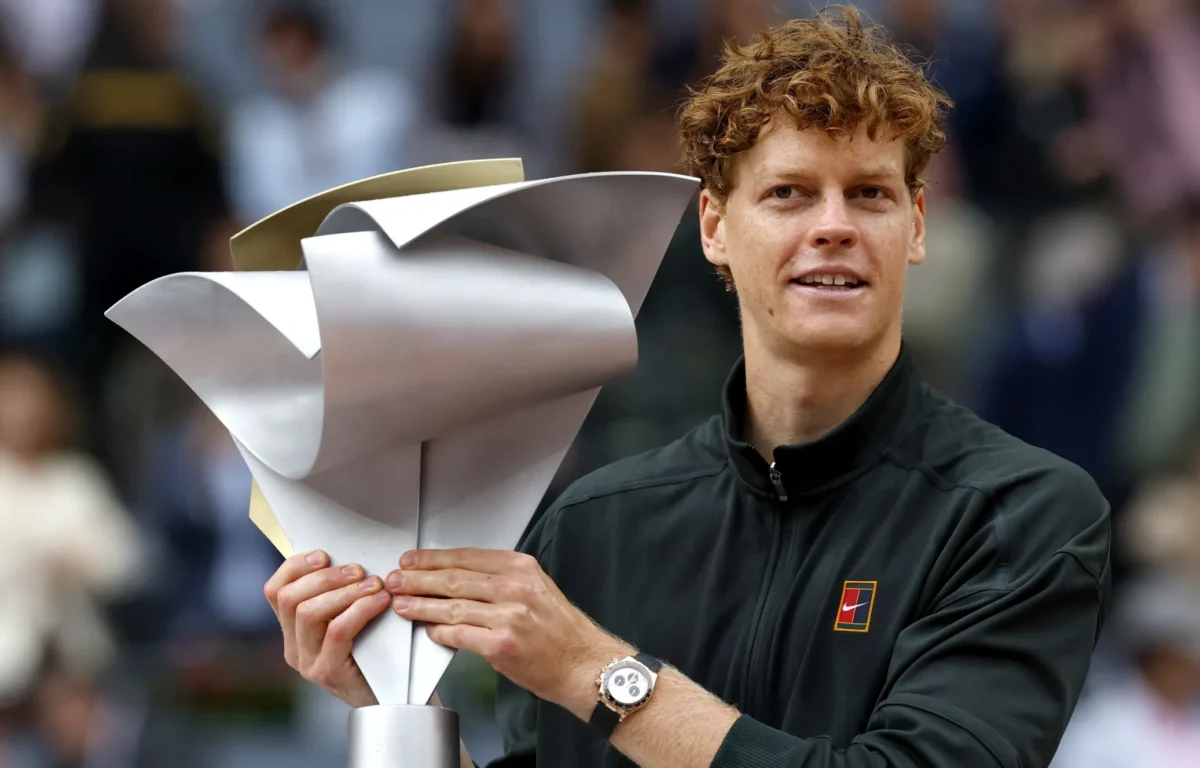
With Carlos Alcaraz officially out of the tournament, the spotlight has shifted intensely toward Jannik Sinner as the man to beat.
- Alcaraz Absence: The withdrawal of the defending champion has left a void in the top half of the draw.
- Sinner’s Momentum: Sinner enters the tournament as the odds-on favorite to land his maiden title in Paris.
- World No. 1 Race: The tournament serves as a pivotal battleground for the top spot in the world rankings.
Many analysts are now asking if it is “Sinner vs. the rest of the world,” as the young Italian continues his dominant run on the international grand slam stage.
Impact of Carlos Alcaraz’s Withdrawal
The absence of Alcaraz not only affects the odds but also the commercial appeal of the tournament’s later stages.
Fans had anticipated a showdown between Sinner and Alcaraz, a rivalry that has been billed as the future of the sport.
Without Alcaraz, the path to the final appears more open, but it also places immense pressure on the remaining top seeds to maintain the high level of entertainment expected at Roland Garros.
Strategic Demands from the PTPA
The Professional Tennis Players Association is using this moment of high visibility to push for structural changes in how Grand Slams operate.
- Financial Audits: Players are calling for independent audits of tournament books to see true profit margins.
- Group Bargaining: There is a renewed push for players to negotiate as a unified block rather than individuals.
- Pension Funds: A portion of the disputed revenue share is being requested for long-term player retirement funds.
The organization argues that without a fair distribution of wealth, the sport risks losing talented athletes who cannot afford the high costs of the professional circuit.
Djokovic has stated that this is not just about the millionaires at the top, but about the 150th-ranked player trying to break even.
The Tournament’s Official Response
Organizers at Roland Garros have defended their prize money increases, pointing out that the total purse has risen annually.
However, they have yet to address the specific demand regarding the “percentage share” of total revenue, which remains the sticking point for the players.
The French Tennis Federation (FFT) maintains that reinvestment into stadium infrastructure, such as the new roof on Court Suzanne Lenglen, is vital for the sport’s future.
Rising Costs and the Modern Athlete
Modern tennis requires a large support team, including coaches, trainers, and specialized medical staff, all of whom are funded directly by the players.
Coco Gauff mentioned that as the tournament’s profile grows, so does the expectation for players to provide a world-class show, which requires world-class investment.
The players feel that if they are the primary “product” people pay to see, their compensation should reflect their role in generating that income.
Future Outlook for Roland Garros
As the tournament progresses, the tension between the front office and the locker room is expected to remain high.
Whether this “revolt” leads to a formal strike or meaningful policy change remains to be seen, but the unity shown by Djokovic and Gauff suggests the players are not backing down.
With Jannik Sinner leading the charge on the court and veteran leaders fighting off it, this edition of the French Open will be remembered for more than just the results on the clay.