Taylor Swift Legal Team Issues Defiant Response to ‘Showgirl’ Trademark Lawsuit
Taylor Swift’s legal representatives at Venable LLP have officially filed a robust response to a trademark infringement lawsuit brought by Las Vegas performer Maren Flagg.
The filing, submitted on Wednesday, May 6, 2026, describes the ongoing legal action as “absurd” and “meritless,” urging the California federal court to dismiss the claims immediately.
The dispute centers on the title of Swift’s 12th studio album, “The Life of a Showgirl,” which was released in October 2025 and sold four million copies in its first week.
Maren Flagg, who performs under the stage name Maren Wade, alleges that Swift’s album title infringes on her established trademark for the phrase “Confessions of a Showgirl.”
Analysis of the Trademark Infringement Claims
Flagg originally filed her lawsuit on March 30, 2026, naming Swift, TAS Rights Management, UMG Recordings, and Bravado International Group as defendants.
The Las Vegas-based entertainer argues that the two titles share the same structure, dominant phrase, and overall commercial impression within the entertainment market.
- Plaintiff’s Brand: “Confessions of a Showgirl,” used since 2014 for columns and cabaret shows.
- Defendant’s Brand: “The Life of a Showgirl,” Swift’s 2025 album and global merchandise line.
- Legal Allegation: Textbook “reverse confusion” where a major star’s presence drowns out a smaller creator.
- Requested Remedy: An immediate injunction to block all merchandise sales and monetary damages.
Flagg claims her brand, built over twelve years through a Las Vegas Weekly column and national tours, is being “swallowed” by Swift’s overwhelming commercial reach.
According to the initial complaint, the U.S. Patent and Trademark Office (USPTO) previously refused Swift’s application for the title, citing a likelihood of confusion with Flagg’s mark.
Swift’s Attorneys Counter-Attack with Allegations of Exploitation
In their May 6 response, Swift’s lawyers argued that the lawsuit is a strategic attempt by Flagg to “prop up her brand” using the pop star’s fame.
The defense team highlighted that Flagg allegedly mentioned Swift or the new album more than 40 times on her Instagram and TikTok accounts following the announcement.
The filing asserts that Flagg “embraced and sought to associate herself” with the album to receive a marketing boost before turning to litigation.
For more insights into the complexities of intellectual property in the music industry, you can read about Trademark Law Protections.
Attorneys further argued that Flagg only began publicly using the specific phrase “the life of a showgirl” in her social media hashtags after Swift’s album title was revealed.
Market Disparity and Consumer Confusion Arguments
A central pillar of the defense is the claim that there is no realistic possibility of consumers confusing a global pop album with a local cabaret show.
- Venue Scale: Swift performs in sold-out stadiums; Flagg performs in “small venues,” according to the filing.
- Target Audience: The defense describes Flagg’s audience as largely older, differing from Swift’s broader global fan base.
- Artistic Content: Swift’s album features a specific visual aesthetic involving orange and mint green color schemes.
Swift’s lawyers stated that Flagg’s motion for an injunction should never have been filed and would result in tens of millions of dollars in lost revenue if granted.
They maintain that the term “showgirl” is descriptive of a Las Vegas archetype and cannot be exclusively owned for all artistic expressions.
The Evolution of the ‘Showgirl’ Brand Dispute
The controversy began in 2025 when Taylor Swift launched her “Life of a Showgirl” era, complete with a massive line of merchandise including apparel and home goods.
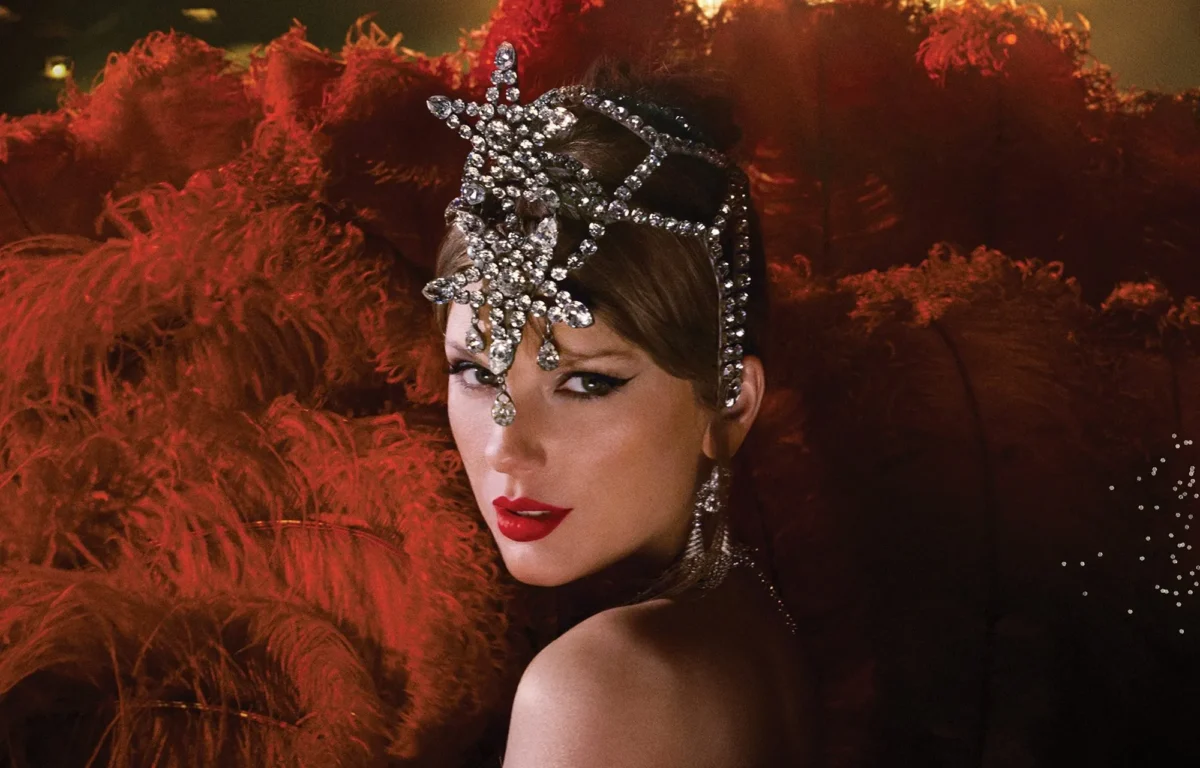
The album cover prominently features Swift in cabaret-inspired attire, a move Flagg’s lawsuit claims was intended to mimic the “Showgirl” lifestyle she has long represented.
Shortly after the lawsuit was filed in March, Swift released a music video for the track “Elizabeth Taylor,” which utilized archival footage of the late Hollywood icon.
To understand the historical context of high-stakes legal battles in entertainment, visit Entertainment Legal Archives.
The lawsuit cites a letter from the USPTO issued in early March which suspended Swift’s trademark application due to potential confusion with a third-party perfume brand and Flagg’s mark.
Key Defendants and Legal Representation
| Entity | Role in Case | Legal Representation |
|---|---|---|
| Taylor Swift | Lead Defendant / Artist | Venable LLP |
| Maren Flagg | Plaintiff / Performer | Jaymie Parkkinen |
| TAS Rights Management | Trademark Management Entity | Venable LLP |
| Bravado International | Merchandising Arm | Venable LLP |
Jaymie Parkkinen, representing Flagg, told media outlets that trademark laws exist to ensure creators at all levels can protect their intellectual property regardless of the competitor’s size.
The plaintiff is seeking not only an injunction but also all profits attributable to the use of the “Showgirl” brand and reimbursement of attorney’s fees.
Current Status of the California Federal Court Proceedings
The case is currently being heard in the United States District Court in California, with the judge expected to rule on the motion for an injunction in the coming weeks.
Swift’s legal team is pushing for a total dismissal of the lawsuit, arguing that the phrase “The Life of a Showgirl” is protected under artistic expression guidelines.
Flagg’s team continues to argue that the “reverse confusion” has already damaged her search engine visibility and brand identity significantly.
- Next Step: Court ruling on the request to block merchandise sales.
- Merchandise Impact: High-volume sales of candles, drinkware, and apparel are at stake.
- Legal Precedent: The ruling may define the limits of “descriptive” titles in pop music.
While Maren Flagg’s social media presence has reportedly gone silent in recent months, her legal pursuit of the “Showgirl” title remains active and contested.
Taylor Swift has not issued a personal statement regarding the matter, allowing her attorneys to handle the “absurd” allegations through formal court channels.
The global music industry is watching the case closely, as it touches on the balance of power between independent artists and international superstars in the digital age.
As of May 8, 2026, Swift continues to promote her album and its associated imagery while the legal process moves toward a resolution.