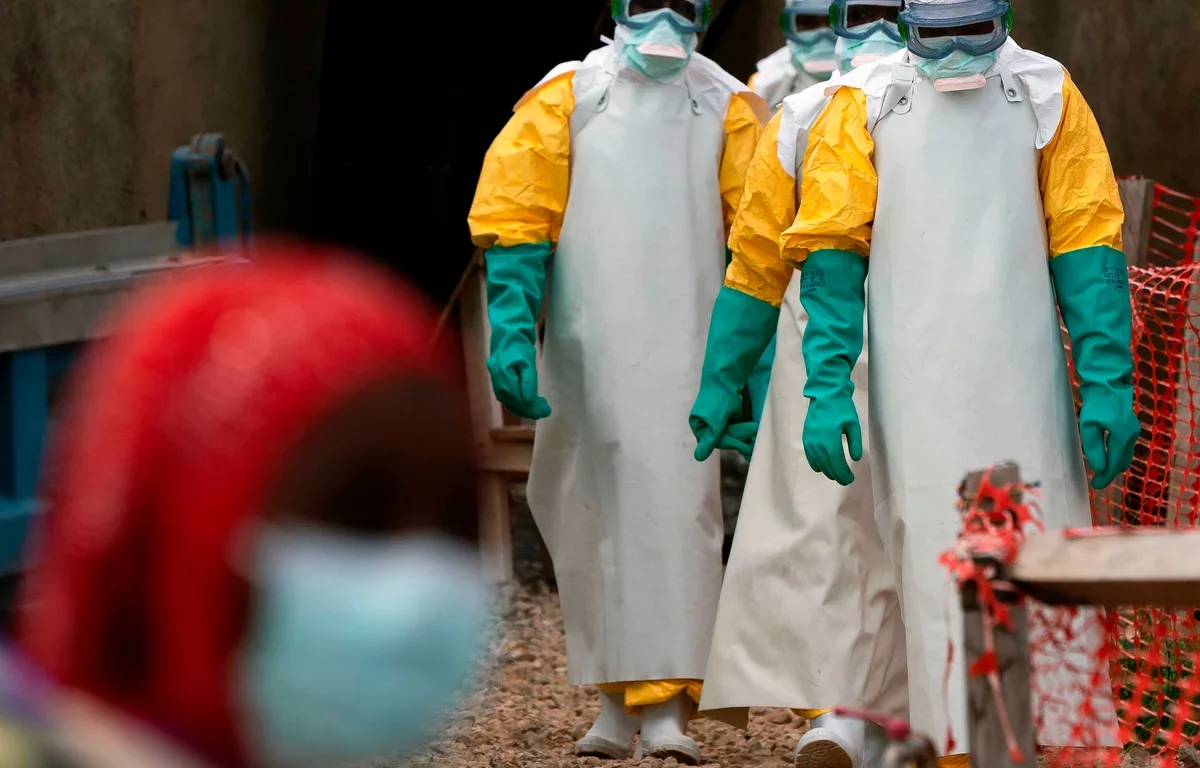
Ebola Outbreak Confirmed in Remote Congo Province Amid Rising Death Toll
Africa’s top public health body has officially confirmed a new Ebola outbreak in a remote province of the Democratic Republic of Congo.
The announcement comes as health officials scramble to contain the virus following the reporting of 65 recorded deaths in the region.
The epicenter of the outbreak has been identified as the Ituri province, a geographically isolated area in the northeastern part of the country.
According to reports from health authorities, the confirmation of the virus was made after a significant surge in unexplained fatalities within the province.
Outbreak Details and Geographic Impact
The current situation in the Ituri province marks a serious resurgence of the virus in a region with limited healthcare infrastructure.
- Location: Ituri Province, Democratic Republic of Congo.
- Death Toll: 65 fatalities recorded to date.
- Authority: Africa Centres for Disease Control and Prevention (Africa CDC).
- Region Profile: Remote, isolated, and difficult to access.
The isolation of the province presents significant logistical hurdles for the delivery of medical supplies and personal protective equipment.
Medical teams are working to establish the exact timeline of the transmission to prevent the virus from spreading to neighboring provinces.
Understanding the Ebola virus transmission dynamics is essential for local communities to mitigate further risk.
Health Agency Response and Mobilization
Africa’s top public health body is coordinating with local health departments to deploy emergency responders to the affected zones.
Containment efforts are currently focusing on contact tracing and the isolation of suspected cases in makeshift health centers.
The priority for health officials is to secure the perimeter of the known outbreak area to stop the movement of the virus.
Specialized diagnostic equipment is being moved into the Ituri province to speed up the confirmation of suspected cases.
Health workers are being trained on the ground to manage patients while adhering to strict biosafety protocols to prevent healthcare-associated infections.
Challenges in Remote Disease Management
The remote nature of the Ituri province means that many villages are only accessible by narrow paths or via local waterways.
This lack of infrastructure often delays the reporting of new symptoms and the arrival of specialized medical interventions.
Community engagement is proving difficult as responders work to overcome language barriers and local skepticism regarding medical protocols.
Providing emergency health support in such conditions requires a high degree of coordination between national and international bodies.
Statistical Overview of the Current Outbreak
The following data represents the confirmed figures as provided by the Africa CDC regarding the situation in Ituri.
| Category | Confirmed Statistics |
|---|---|
| Total Deaths | 65 |
| Primary Province | Ituri |
| Outbreak Status | Confirmed (May 2026) |
| Transmission Level | High within local clusters |
The 65 recorded deaths represent a high case-fatality rate, typical of Ebola outbreaks in regions without immediate access to supportive care.
Health officials have warned that the number of casualties could rise as teams reach the most secluded settlements in the province.
Surveillance has been increased at all provincial borders to monitor travelers for signs of fever or other hemorrhagic symptoms.
The Africa CDC has categorized the outbreak as a high-priority emergency requiring immediate regional cooperation.
In addition to medical care, responders are providing safe burial services to prevent further contamination during traditional mourning rites.
Local clinics in Ituri are being supplied with essential medicines and hydration fluids to treat those in the early stages of the disease.
The government of the Democratic Republic of Congo has requested additional support from regional partners to bolster its response capacity.
International monitoring groups are closely watching the situation for any signs of the virus crossing into major urban centers or neighboring countries.
Educational campaigns are being broadcast over local radio stations to inform the public about the dangers of the virus and how to report symptoms.
The 2026 Ituri outbreak serves as a stark reminder of the persistent threat posed by the Ebola virus in central Africa.
Efforts to stabilize the region are ongoing, with a focus on both medical treatment and the logistical reinforcement of the Ituri health system.