Singapore Airlines Net Income Plunges Despite Record Revenues
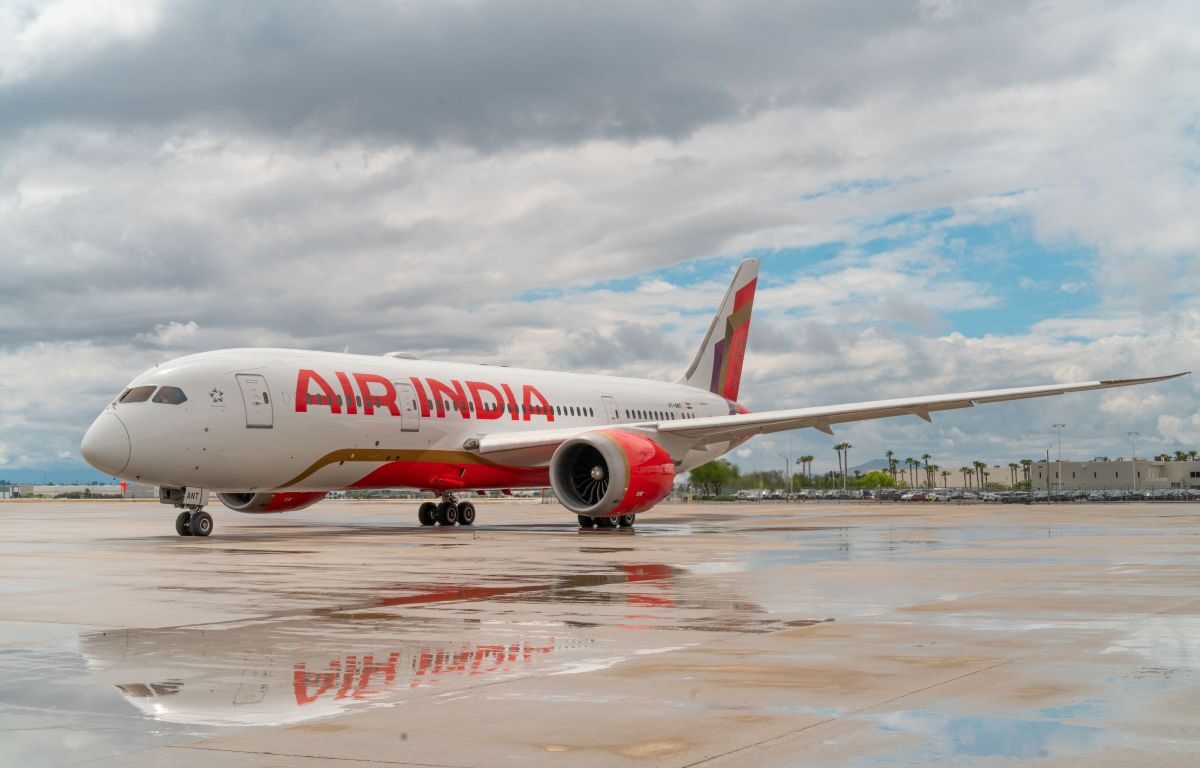
Singapore Airlines (SIA) has reported a sharp decline in its net profit for the fiscal year ended March 31, 2026, driven heavily by its share of full-year losses from its investment in Air India.
The airline group’s net profit plummeted by 57.4% year-on-year, dropping to 1.184 billion Singapore dollars (SGD), which equates to approximately $930 million.
This steep financial drop occurred despite the company achieving a record-breaking revenue figure of 20.522 billion Singapore dollars during the same fiscal period, marking a 5% increase from the previous year.
Strong global demand for air travel helped fuel the historic revenue and pushed operating profit up by 39% to 2.375 billion Singapore dollars, but it was not enough to offset investment-linked setbacks.
The dramatic swing in net profit was also heavily influenced by the absence of a massive 1.098 billion Singapore dollar non-cash accounting gain recognized in November 2024 upon the completion of the Air India-Vistara merger.
The Impact of Air India Financial Losses
The primary factor behind the net income decline below the operating line was the substantial financial drag from SIA’s 25.1% stake in the consolidated Indian carrier.
Singapore Airlines sustained an associate company hit of 945.2 million Singapore dollars stemming from its financial exposure to Air India.
Air India recorded a total full-year revenue of 10.53 billion Singapore dollars, but posted a massive full-year loss after tax of 3.77 billion Singapore dollars (approximately $2.79 billion).
The scale of Air India’s financial difficulties meant that its total liabilities exceeded its assets by 1.02 billion Singapore dollars as of March 31, 2026.
The previous financial year reflected only four months of exposure to Air India’s financial results, whereas the current fiscal year forced SIA to absorb a full 12 months of the carrier’s losses.
Passenger Traffic and Strategic Commitments
Despite the severe hit to the group’s headline profitability, underlying consumer demand and passenger volumes remained exceptionally strong across the network.
Singapore Airlines and its low-cost subsidiary, Scoot, successfully transported a record 42.4 million passengers throughout the fiscal year, representing a 7.7% increase year-on-year.
Management remains deeply committed to the long-term potential of the joint venture, viewing it as a vital pillar of their overarching multi-hub expansion plan.
- Strategic Exposure: The investment provides SIA with a direct stake in the Indian market, which stands as one of the fastest-growing aviation sectors globally.
- Transformation Program: SIA is working directly with Tata Sons to back Air India’s ongoing fleet renewal and comprehensive cabin retrofit initiatives.
- Codeshare Expansion: Effective May 4, 2026, the two carriers expanded their codeshare agreement, adding one domestic and 20 international destinations.
- Network Reach: The expanded arrangement brings the total number of shared destinations to 82 across 27 different countries and territories.
Operational Disruptions and Flight Curtailments
The financial year was defined by acute operational challenges for the Indian carrier, which heavily suppressed its earnings capability.
Air India experienced a notable dent in passenger demand following a fatal crash involving an aircraft in Ahmedabad on June 12, 2025.
To mitigate mounting operational costs, Air India announced a major 27% reduction in its total international flight capacity across its global network.
The capacity cuts included cutting nearly 100 international flights and temporarily suspending operations across seven major overseas routes, including the Delhi-Chicago corridor.
These flight cuts affected vital west-bound operations to North America as well as east-bound routes leading to SAARC nations, Southeast Asia, and the Far East.
Geopolitical Hindrances and Airspace Closures
External geopolitical pressures have added severe operational hurdles for airlines trying to navigate the South Asian airspace layout efficiently.
Indian carriers have faced ongoing disruptions due to strict airspace restrictions and the ongoing ban on utilizing Pakistani airspace for international routes.
The restrictions force aircraft to take significantly longer flight paths when traveling from India to core markets in Europe and the United States.
Furthermore, escalating regional conflicts in West Asia have placed strict constraints on flight paths leading into key Middle Eastern markets.
Industry analysts monitoring global aviation trends note that navigating around conflict zones has forced carriers to absorb longer flight times.
Rising Expenses and Inflationary Pressures
Macroeconomic factors and supply chain snags have intensified cost pressures, creating a highly volatile operating environment for regional airlines.
SIA’s total group expenditure rose 1.8% to 18.15 billion Singapore dollars, driven heavily by capacity expansion and non-fuel inflationary trends.
While the airline’s net fuel cost actually fell 6.7% to 5.03 billion Singapore dollars due to hedging gains, management warned of a building fuel shock.
- Fuel Cost Surge: Jet fuel prices more than doubled following the outbreak of geopolitical conflicts in the Middle East, presenting a major expense threat.
- Delayed Impact: Singapore Airlines confirmed that the full financial impact of these elevated jet fuel prices will be felt heavily in the new fiscal year.
- Fare Adjustments: Price adjustments and fare increases implemented by SIA and Scoot have not been large enough to fully offset the rising cost of kerosene.
- Non-Fuel Inflation: The airline group saw notable year-on-year increases in staff costs, depreciation, aircraft maintenance, handling charges, and inflight meals.
Market Adjustments and Dividend Trimming
The challenging environment has triggered broader industry adjustments, with several global carriers managing capacity and fuel risks cautiously.
Long-haul travel demand has remained resilient, with SIA reporting that its routes to Europe and the Americas were 94% full, while other routes averaged 88% capacity.
In response to the net profit decline and the cautious outlook regarding fuel availability, Singapore Airlines adjusted its shareholder payouts.
The company trimmed its proposed total dividend to 37 Singapore cents per share, which includes a finalized dividend payout of 22 cents.
SIA shares felt minor pressure following the audited results release, closing 0.2% lower on Thursday, bringing the stock’s year-to-date decline to 2%.
Despite the short-term earnings drag from the Air India turnaround process, SIA’s total market capitalization remains robust at approximately SGD 20.27 billion.
For continuing coverage of corporate restructurings and international market shifts, updates can be reviewed on international business news networks.